.png)
Selling on Social Accounts vs. an Online Store: The Difference Growth Reveals
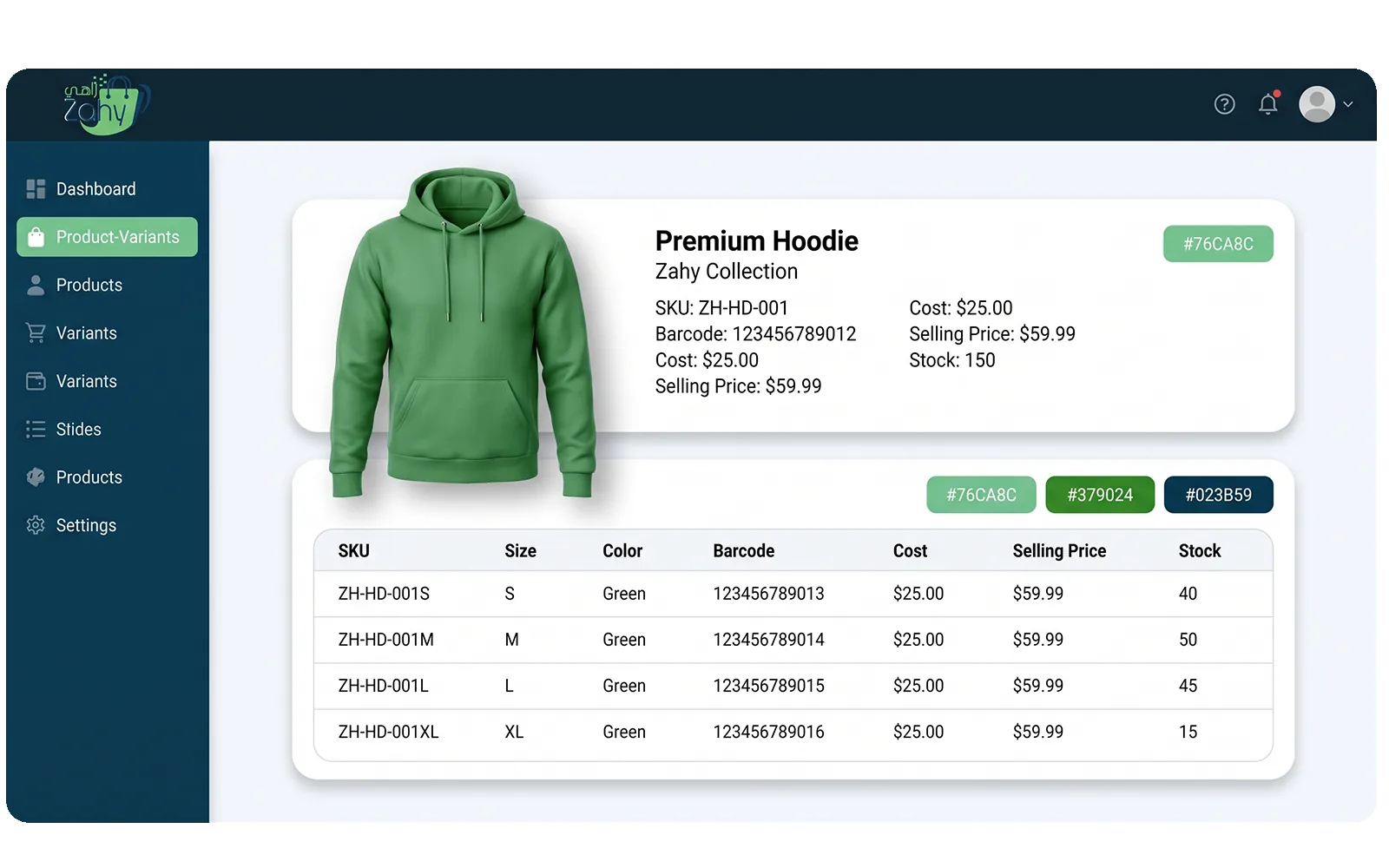
Social accounts are a fine start for marketing, but selling by DM does not scale: every order is a manual conversation with no stock control and no compliant invoice. An online store records order, payment and address automatically. The working rule: social for marketing, the store for selling.
Starting on social media makes sense
Most small Saudi businesses start on Instagram or WhatsApp: near-zero cost, and the audience is there. It is a perfectly good start, but the problem appears when you succeed.
Where account-selling stumbles
An order is a conversation, not a transaction
Every DM order needs manual replies: price, availability, address, payment, confirmation. Ten daily orders mean hours of messages, and one recording mistake means an angry customer.
No stock keeping promises honest
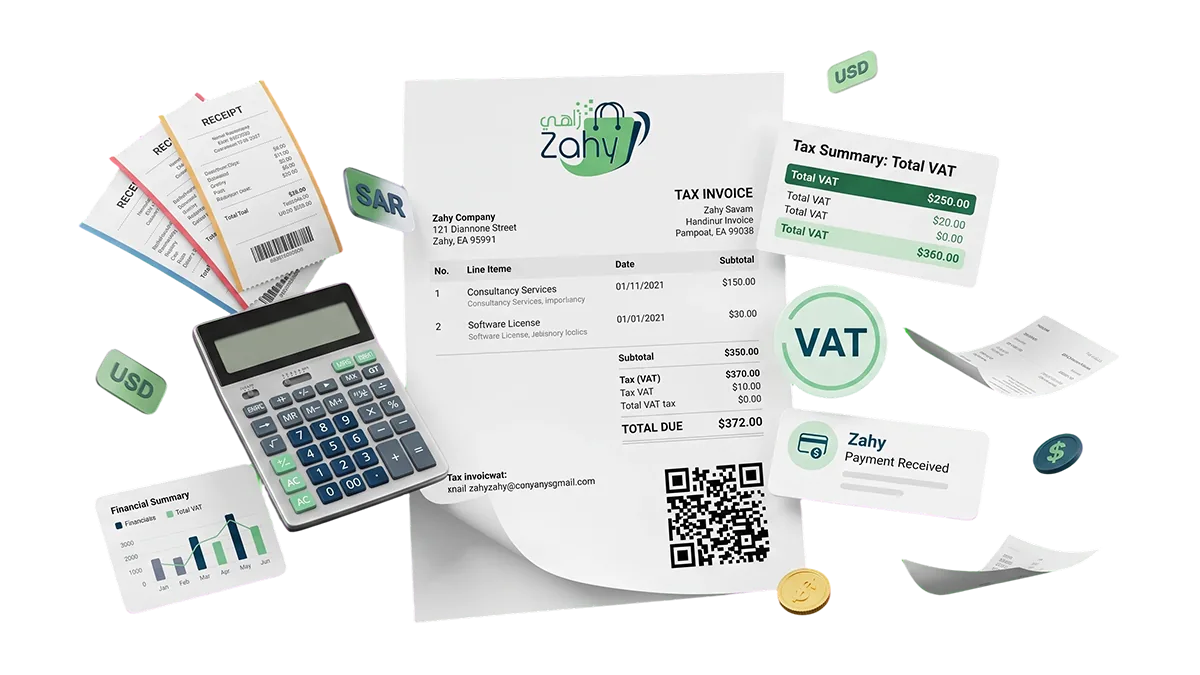
When your account does not know how many pieces remain, you sell what ran out and apologize later. And with e-invoicing, a manual invoice is no longer even a compliant option.
Effort that does not compound
A follower is not fully your customer: no purchase history, no data to build offers on, and reaching your audience is hostage to an algorithm.
What an online store changes
The order records itself: the customer chooses, pays and enters their address, the ZATCA-compliant invoice issues automatically, stock deducts live, and every customer’s data compounds in your favor. Your accounts remain an excellent marketing channel pointing to your store.
The practical takeaway
Social for marketing, the store for selling. When replying manually becomes a burden, that is your growth signal: build your store with Zahy’s E-commerce and turn conversations into orders that run themselves.
Read next
 E-commerce
What E-commerce Adds to Your Business
Why are Saudi merchants opening online stores? The practical benefits, market growth numbers, and how to start in simple steps.
 E-invoicing
E-invoicing in Saudi Arabia: A Merchant’s Simple Guide
What is e-invoicing? What separates its two phases? A simple guide to what a merchant needs to comply with ZATCA requirements.