.png)
Inventory Counting: A Practical Guide to Stop Silent Losses
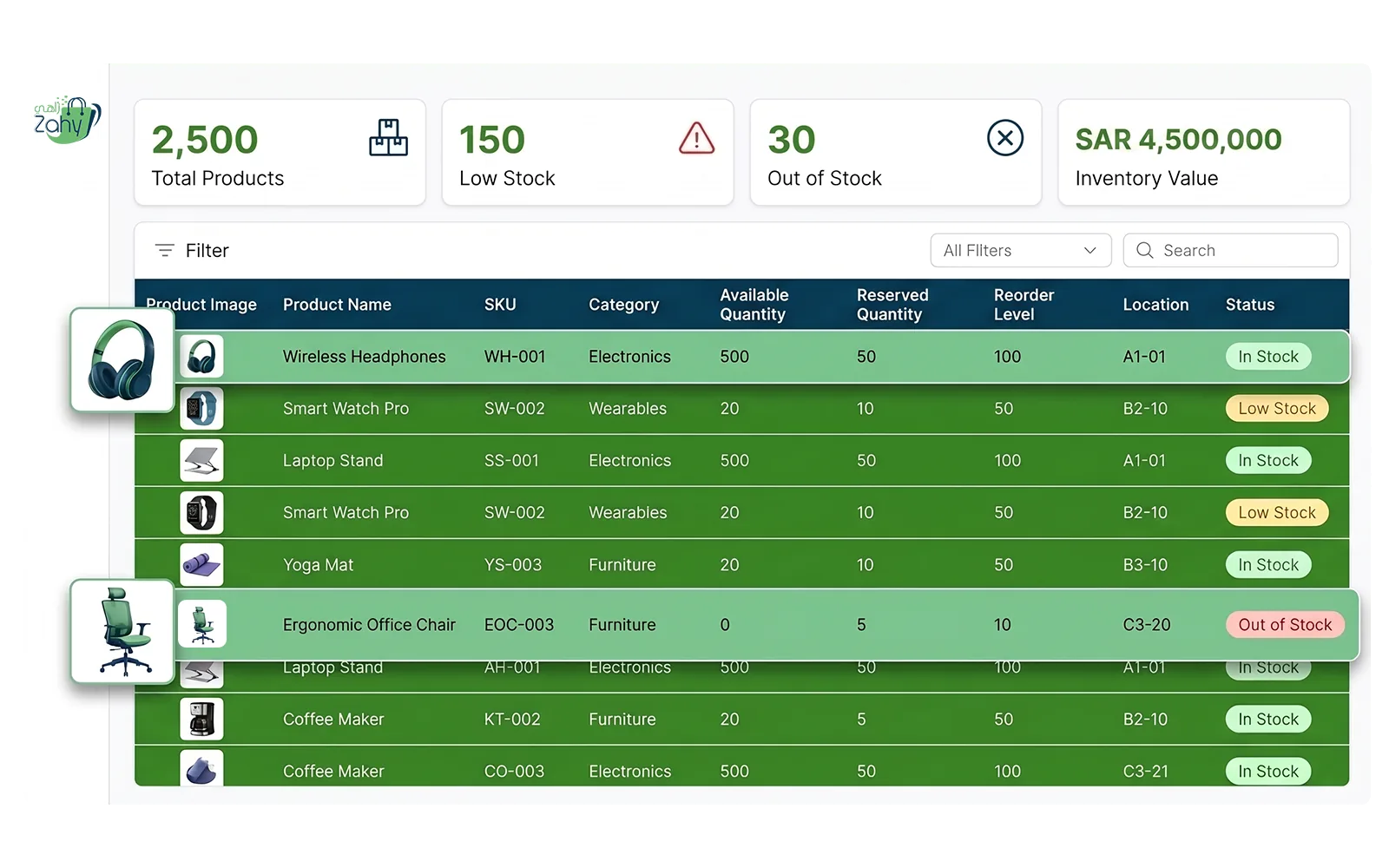
Make counting a small habit, not a yearly event: a system that deducts stock with every invoice, one category counted weekly instead of a full closing night, immediate investigation of any variance, and barcode-scanner counting. That way shrinkage is caught early, before it eats your margin.
Why merchants hate counting, and why avoiding it costs more
Traditional counting is a long night of tallies and ledgers, so it gets postponed to year-end, and every postponed month widens the gap between the shelf and the books: unrecorded sales, damage, or losses nobody can trace.
Three rules for painless counting
1. Let the system count with you, always
When the POS is tied to inventory, every sale deducts automatically, giving you a live book balance to compare against instead of starting from zero.
2. Count in sections, not in one blow
Instead of closing for a full night, count one category weekly: beverages this week, cleaning supplies next. Twenty minutes a week replaces an annual ordeal.
3. Investigate variances the moment they appear
A two-piece variance today is a traceable story; a two-hundred-piece variance at year-end is a closed case. Early variances reveal patterns: an item that goes unrecorded, a shift that errs, or shrinkage that needs attention.
And barcodes?
Counting with a barcode reader turns inventory from manual writing into fast scanning, closing the door on transcription errors.
Let your system carry the weight
With Zahy, stock deducts live with every invoice and low-stock alerts arrive early, across the shop and the online store together. See Point of Sale and start counting without pain.
Read next
 E-commerce
What E-commerce Adds to Your Business
Why are Saudi merchants opening online stores? The practical benefits, market growth numbers, and how to start in simple steps.
 E-invoicing
E-invoicing in Saudi Arabia: A Merchant’s Simple Guide
What is e-invoicing? What separates its two phases? A simple guide to what a merchant needs to comply with ZATCA requirements.