.png)
E-invoicing in Saudi Arabia: A Merchant’s Simple Guide
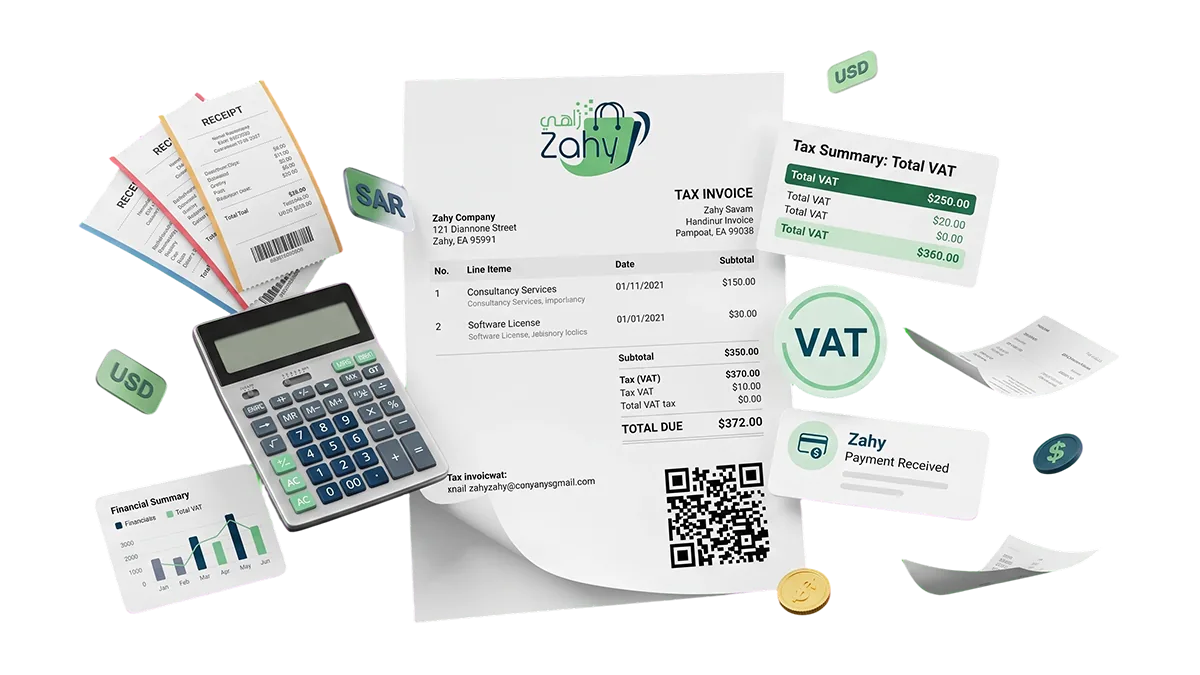
E-invoicing is mandatory in Saudi Arabia under ZATCA requirements: invoices issued electronically with a QR code in phase one, then direct integration with the authority’s systems in waves by revenue. A merchant needs a system issuing both simplified and B2B invoices automatically.
What is e-invoicing?
E-invoicing means issuing and storing invoices in a structured electronic format instead of paper, per the requirements of the Zakat, Tax and Customs Authority (ZATCA). The goal: uniform, verifiable invoices, minimal tampering, and a clearer consumer experience.
The two phases in plain language
The generation phase
Businesses must issue invoices electronically through a compliant system, with a QR code on the simplified invoice, and stop using handwritten or manual invoices.
The integration phase
This phase connects the business’s invoicing system directly with the authority’s systems, applied in waves by revenue size, with each group notified before its deadline.
Simplified vs. business invoice
The simplified invoice serves individual consumers with brief details and a QR code. The full tax invoice (B2B) is issued between two businesses, includes both VAT numbers and richer detail, and is the basis for selling to companies and institutions. A merchant selling to both needs a system issuing both, which is what Zahy’s Accounting & E-Invoicing provides.
What does this mean for a retailer, practically?
In short: you need a POS and store that issue compliant invoices automatically with no extra step. Every Zahy plan is compliant with e-invoicing requirements, so your invoices are conformant from the first sale.
Read next
 E-commerce
What E-commerce Adds to Your Business
Why are Saudi merchants opening online stores? The practical benefits, market growth numbers, and how to start in simple steps.
 Point of Sale
How to Choose the Right POS System for Your Store
A practical checklist for choosing a cashier system: tax compliance, offline operation, inventory, reports, and the real total cost.